

Written by Selena Lindamood, LPC
Licensed professional counselor in New Jersey specializing in infertility, pregnancy, postpartum, and perinatal mental health.
Pregnancy after infertility can be emotionally complicated because becoming pregnant doesn't automatically erase the anxiety, uncertainty, and grief associated with infertility and fertility treatment. Therapy can help you manage anxiety and process the transition into pregnancy and parenthood.
You finally got the positive pregnancy test. Maybe it’s been months, or years of trying. After everything it took to get here, you may have imagined that you’d feel nothing but happy. Instead, you’re anxious. Checking for line progressions, comparing beta numbers, checking for symptoms. You’re finally pregnant, but now the anxiety about getting pregnant is replaced with anxiety about staying pregnant, coping with pregnancy and what pregnancy, birth and parenthood might look like.
You wanted this pregnancy so badly, you went through an exhausting physical and emotional process, but it feels hard to relax into this new journey. Pregnancy after infertility can be incredibly complicated. Getting pregnant may be what you've wanted for months or years, but that doesn't mean all of the fear, grief, and uncertainty you experienced along the way suddenly disappears.
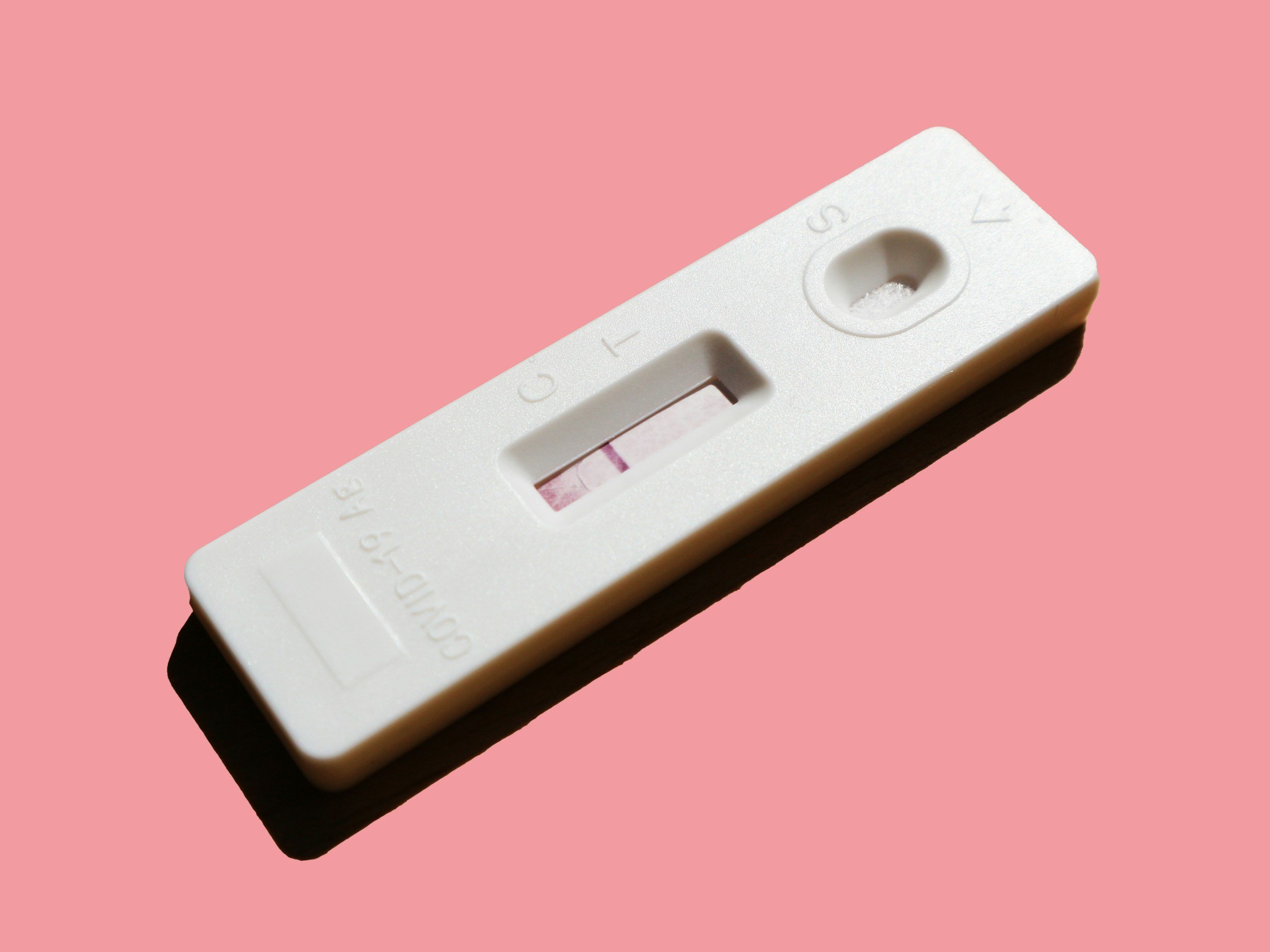
Pregnancy After Infertility or Fertility Treatment Can Feel Especially Complicated
For those who have experienced infertility or gone through fertility treatment, pregnancy might have come after a long and emotionally exhausting journey. You spent months or years trying to conceive. You’ve spent so much time, energy (and oftentimes, money) on getting pregnant that you haven’t had a chance to consider what emotions it might trigger.
Infertility and fertility treatment can leave behind emotions that don’t simply disappear with a positive pregnancy test. While a positive pregnancy test might have been the end goal, it does not erase the stress, grief and emotional impact of infertility and fertility treatment. Infertility and fertility treatment often trigger feelings of grief, loss of control and anxiety, and those emotions might follow you into pregnancy. You may feel nervous about graduating from your fertility clinic or miss the frequent monitoring and reassurance that came with treatment (waiting weeks for a checkup at the OB feels like an eternity when you’re used to monitoring multiple times a week at your fertility clinic). You may find yourself analyzing every symptom or worrying about the time between appointments. These emotions don’t mean you aren’t grateful or excited, they are a normal and common reaction to a challenging experience.
Why Can't I Enjoy Pregnancy After Infertility?
Throughout fertility treatment, we view a positive pregnancy test as the finish line. All of the waiting, the appointments, testing, bloodwork, injections, pills and procedures were supposed to lead to this. You finally get the news you’ve been hoping for, but instead of feeling like everything is suddenly okay, you find yourself feeling uneasy. One of the most difficult parts of pregnancy after infertility is realizing that getting what you wanted doesn't necessarily make you feel the way you expected. You may have imagined that pregnancy would finally bring peace after everything you went through.
Instead, you may feel:
Anxious about what could go wrong
Disconnected from your pregnancy
Afraid to plan for the future
Nervous about buying baby items
Hesitant to share your pregnancy
Guilty for not feeling happier
You may also feel pressure to feel “grateful”. Comments from well-meaning friends or family can unintentionally minimize the toll the journey to pregnancy has had on you emotionally or physically. You might be struggling with feelings of. guilt and shame for feeling anxious, disconnected or hesitant. But remember, two emotions can exist at the same time. We can feel both grief and joy, gratitude and fear, hope and anxiety. Ambivalence is a common and universal human experience, and pregnancy after infertility is no different.
You’ve Spent So Long Trying to Control What Happens
Infertility and fertility treatment forces us to become hyper-aware of our body. You may have tracked ovulation, monitored symptoms, taken medications, gone to appointments, analyzed test results, and learned more about reproductive health than you ever wanted to know.
Your body can start to feel like something you're constantly checking and monitoring. When this is the way you’ve been living for months or years, hat doesn’t necessarily stop when you get pregnant. You might find yourself continuing to look for signs that everything is okay, panic when symptoms change, look to Google or online groups for validation and shared experiences and find yourself counting down to the next appointment.
It’s not that you don’t trust the professionals, its just that you’ve spent a really long time learning that so much of this process is out of our control. Now that you’re pregnant, the stakes feel even higher and the lack of control can feel terrifying. Similar to the process of fertility treatment, pregnancy after infertility often feels like counting down the time between milestones like a checklist. The first beta test, the follow-up beta test, the first ultrasound to check placement, the ultrasound where you’re supposed to see a heartbeat… there’s a lot of validation, but a lot of milestones to worry about. Then, there’s graduation from the fertility clinic with it’s frequent monitoring and the transition to the OB, and you might find yourself missing the frequent validation that things are progressing as they should.
If this sounds familiar, it doesn't mean you're not enjoying your pregnancy. It means you've been through a lot.
You Can Be Grateful and Still Be Struggling
As a therapist focused on infertility, pregnancy and motherhood, there is something I wish more women felt comfortable sharing. You can be incredibly grateful, and still have a difficult time with pregnancy. You can feel fortunate to be pregnant, and still be anxious. You can recognize how badly you wanted to be pregnant and feel overwhelmed and anxious about what comes next. You can love this baby and miss the version of your life you had before infertility and fertility treatment took over. You don’t have to minimize these feelings.
Pregnancy Doesn't Erase What Infertility Took From You
People assume that once you're pregnant, infertility is behind you. In actuality, infertility leaves a lasting emotional impact. You experienced months or years of emotional stress, your relationship to your body changed, your relationships with friends, family or your partner may have changed, you’ve spent more money than you ever expected for the chance to build your family. Maybe you watched others get pregnant and have babies while you were still trying. Infertility can be isolating and emotionally and physically draining. Even when you get the outcome you hoped for, those experiences don’t disappear.
You don’t have to pretend that the emotions and experiences of infertility didn’t affect you. You’re allowed to make space for all parts of your story.
Why is it Hard to Feel Excited for My Pregnancy?
You may find yourself holding back. When you’ve dealt with the disappointment and uncertainty of infertility and fertility treatment, you’ve learned to protect yourself. Keeping yourself from getting too excited from expecting the best case scenario, from planning too far ahead feels safer. If something goes wrong, maybe it won’t hurt so much. It’s an understandable way to protect yourself. You’ve been through disappointment, uncertainty, grief and hurt, and those experiences don’t just disappear. But this can also leave you feeling disconnected from a pregnancy that you’ve worked incredibly hard for, and you also deserve to feel the joy. Therapy isn’t about forcing yourself to be optimistic or “think positively”, but allowing yourself to tolerate uncertainty while making space for the meaningful moments of this pregnancy.
What If You've Also Experienced Loss?
For some, pregnancy after infertility also means pregnancy after miscarriage or pregnancy loss. If you've experienced both, you may be carrying layers of fear and grief into this pregnancy. You may not only be thinking about how long it took to get pregnant, but also remembering what happened the last time you were pregnant. That can make this pregnancy feel especially complicated.
You can read more about this experience in Pregnancy After Loss: When It's Hard to Feel Excited.
How Therapy Can Help After Infertility
Therapy after (or during) infertility is another piece of the puzzle in managing an stressful experience. A therapist who knows what you’re going through, who allows you to show up as you are, can be an incredible resource. You don't have to explain why you're anxious. You don't have to convince yourself that you should be happier. You don't have to compare your experience to anyone else's. We can make space for all parts of your story.
Therapy may help you:
Manage anxiety during pregnancy
Cope with the uncertainty between appointments
Process grief related to infertility and fertility treatment
Work through difficult or traumatic treatment experiences
Feel more connected to your pregnancy
Navigate fears about pregnancy and parenthood
Set boundaries around difficult conversations or situations
Make room for excitement without feeling like you're letting your guard down completely
Prepare emotionally for the transition into motherhood
You spent so much time trying to get here. You deserve support with everything that comes next, too.
Finding an Infertility and Perinatal Therapist in New Jersey
If you're looking for an infertility therapist in New Jersey or a perinatal therapist who understands pregnancy after infertility, finding someone who understands both parts of your experience can make a difference. You shouldn’t have to explain the ins-and-outs of your treatment, procedures or experiences. At Willow Psychotherapy Group, we’ve been there and we get it. I work with women navigating infertility, fertility treatment, pregnancy after infertility, pregnancy after loss, and the transition into parenthood.
My approach is warm, collaborative, and rooted in genuine connection. I believe you are the expert on your own experience. My role isn't to tell you what you should do or how you should feel, but to help you process your experiences, cope with uncertainty, anxiety and fear and help you find a way through this season.
Frequently Asked Questions About Pregnancy After Infertility
Is it normal to feel anxious during pregnancy after infertility?
Yes. After months or years of fertility treatment and uncertainty, it can be difficult to relax once you become pregnant. Anxiety may be especially strong around appointments, changes in symptoms, and pregnancy milestones.
Why am I not happier now that I'm pregnant?
Pregnancy doesn't automatically erase the emotional experience of infertility. You may feel grateful and excited while also feeling anxious, overwhelmed, or afraid. It is perfectly normal to have complicated and conflicting emotions.
Can infertility grief continue after getting pregnant?
Yes. Infertility can involve grief, disappointment, loss of control, financial stress, difficult medical experiences, and changes in relationships. Becoming pregnant doesn't erase those experiences, and you may still need space to process those experiences.
Can therapy help with pregnancy anxiety after IVF?
Yes. Therapy can help you manage anxiety, process the emotional impact of fertility treatment, navigate uncertainty, and prepare for pregnancy and parenthood.
When should I see a therapist after infertility?
You don't have to wait until you're struggling significantly. Infertility and fertility treatment can affect your mood, relationships, or sense of safety and control. Pregnancy after infertility can come with mixed emotions and a different type of emotional strain. Therapy is a place where you are free to share
Can I work with an infertility and perinatal therapist virtually in New Jersey?
Yes. Virtual therapy provides access to specialized infertility and perinatal mental health support for women throughout New Jersey. Fertility treatment and pregnancy require an endless amount of doctors appointments, virtual therapy allows you to eliminate one commute from your calendar, and join sessions from somewhere that feels comfortable and convenient for you.
